9 Simple Ways To Lose Tummy Without Exercising


The fat stored around our waist is one of the most dangerous in terms of health. If not checked on time, it can lead to several health problems like, stroke, heart disease, metabolic issues and diabetes. The most common way of losing tummy fat is through exercise. But it takes a lot of effort to reduce fat that’s stored around the waist. Here are some simple, yet effective things you can do to reduce tummy without exercise.


How To Reduce Tummy Without Exercise

1. Our hormones may make it difficult to get rid of tummy fat. One such hormone is the cortisol hormone. Taking too much stress leads to the secretion of cortisol which leads to a build up of fat. These surround organs in the abdominal cavity. Keep yourself stress-free to reduce tummy fat quickly. Indulge in stress free activities like meditation, bubble bath, listening to music or taking up a soothing hobby.

2. Sleep deprived people tend to feel sluggish, causing them to overeat. Thus, 7 to 8 hours of sleep will help you maintain weight in the long run. Remove your electronic gadgets or switch them off before going to bed. Studies have found that the less you’re exposed to electronic gadgets, the better your mind and body rests.

3. Drink a glass of water before every meal. Water will fill up part of your tummy. This will prevent you from over-eating. Alternatively, you can take sips of water in between your meals.

4. In order to lose tummy fat without exercising, you need to burn more calories. To burn one pound of stomach fat in a month, you need to lose 500 calories per day. Avoid eating junk and fatty foods. Instead, go for high fibre foods that take longer to digest. This will keep you satiated and will keep your metabolism in perfect shape.

5. While eating, avoid taking large bites and divide your meal into smaller morsels. Cut your meat into smaller pieces and break bread into smaller bits. Also, eat 3 to 5 light meals, rather than eating 3 heavy meals. This will keep your metabolism high and will keep the blood sugar at the optimal level.

6. Imbalanced diet and a sedentary lifestyle are one of the biggest reasons of weight build up in the middle area. Therefore, the best way to lose tummy fat is by following a balanced diet. A low fat diet, comprising mainly of fruits, vegetables and whole grains will help lose tummy fat easily. Eat fibre rich foods, as they contain lots of vitamins and minerals and suppress your appetite. Stay away from junk and fried foods and nuts.

7. Keep yourself well hydrated if you want to lose fat from your midsection. Hydration should ideally come from water and herbal tea only. Green tea is another excellent drink, which you should regularly consume to reduce tummy flab. It is rich in catechins, a compound that increases fat metabolism in the body. This makes it easier to shed fat from the stomach. Avoid consuming aerated drinks and alcohol.

8. Walking is one of the best ways to lose stomach fat permanently. Walking not only helps reduce weight, but improves our overall health as well.

9. Never skip your breakfast. Studies indicate that eating a healthy breakfast jump-starts your metabolism. It also keeps your metabolism working perfectly through the day. Skipping meals or starving yourself for longer periods puts the body into a catabolic state. This will lead the body to break down muscle tissues for energy and conserve fat.

Most of us end up trying out crash diets and strenuous exercises to lose tummy fat. But following these simple tips on how to reduce tummy fat without exercise. This is also a long-term solution. Do tell us which tips you follow and add any other tips that you may have!

10 Effective Tips To Grow 6 Inches Taller


Our height is primarily determined by the genes we posses. Roughly 60-80 percent of the difference in height between individuals is determined by the genetic factors whereas 20-40 percent can be attributed to environmental effects, mainly nutrition.

However, there are some tips and tricks that can be useful in achieving a good height. So, here is the list of the top 10 tricks to increase height by 6 inches:


How to Grow 6 Inches Taller?

1. Eat A Healthy Breakfast:

A healthy breakfast plays an essential role in maintaining proper growth and development of your body. Skipping breakfast can be a bad sign for your overall growth, especially your height. You should eat a proper breakfast to boost your metabolism. It influences your body growth substantially.

2. Avoid Growth-stunting Factors:

Taking drugs and alcohol can cause a stunted growth. Avoid these addictions right from the young age. Proper nutrition is essential for a child’s growth as malnutrition also translates into a short height. Excess of caffeine and smoking disrupt the growth of kids. So, it’s highly advisable to make children stay away from these bad habits to ensure proper growth and development of the body.

3. Get Plenty Of Sleep:

Adequate sleep and rest help in overall growth and development of the body. Growing kids and adolescents require 9-11 hours of sleep every night. Night time is considered to be the growing time for kids. You should create a very calm and noise-free environment to get a deep sleep. Good sleep in return helps you to grow in height effectively. During sleep, your body produces growth hormone in the pituitary gland. It further helps in the proper growth and development of your body.

4. Eat Right Foods:

Proper growth and development of the body requires a perfect balance of all the essential nutrients. To fulfill this, you can opt for the diet supplements as per your age group along with your proper diet. Balanced nutrition is very important for maintaining a healthy body.

5. Increase Your Immunity:

Immune system plays a vital role in body’s growth and development. To ensure a good height, it is important to keep your immune system fit and functioning. Regular illness or disease can cause stunted growth. Immunity can be enhanced with vitamin C which is abundantly found in oranges, grapefruits and lemons.

6. Exercise Your Body:

Regular sports and exercise can boost the growth and development of your body. Do swimming, yoga, biking and running along with good diet and proper sleep to ensure the proper development of your body. You must also do some stretches or ‘grow taller’ exercises to help you gain height. Yoga has proved to be very effective in growing taller.

7. Practice Good Posture:

Practicing good posture can help you grow 6 inches taller at . Always walk and sit in a straight posture to gain good growth in height.

8. Small and Frequent Meals:

Eat 6 small meals in a day instead of 3 heavy meals to stimulate your metabolism. Your growth hormone and height gain totally depend on the food that you eat. Hence, it is essential to get the required vitamins and minerals for gaining the natural growth in height.

9. Maintain Ideal Body Weight:

Obesity can have bad effect on your height growth. Hence, to gain good height or atleast grow 6 inches taller, it is vital to maintain an ideal body weight by taking balanced diet and regular exercise.

10. Drink Plenty Of Water:

Water helps in digestion and in flushing out the toxins from your body. Hence, it is advised to drink at least 8 glasses of water every day to gain a good growth in height.

(source: http://www.stylecraze.com/articles/effective-tips-to-grow-6-inches-taller/)

11 Health Benefits of Cinnamon You Need to Know


Once upon a time, cinnamon was more valuable than gold. And while these days I’m betting most of us would rather get our hands on 24 karats over 24 ounces – a bar over a stick – this bark-cum-spice has just as much bite as it does bark. The potential health benefits attributable to cinnamon could be stated as nothing short of astonishing.

It’s possible we’re just brushing the surface here, for Chinese medicine and Ayurveda have long revered cinnamon as a superpower used to treat things such as colds, indigestion and cramps and also believed to improve energy, vitality and circulation. The following are eleven health benefits associated with this beloved spice that studies have suggested:


  1. 1/2 teaspoon of cinnamon per day can lower your bad cholesterol (or LDL).
  2. Cinnamon may help treat Type 2 Diabetes by lowering blood sugar levels and increasing the amount of insulin production in the body.
  3. Cinnamon has antifungal properties, and it’s been said that candida cannot live in a cinnamon environment. 
  4. Cinnamon can reduce the proliferation of leukemia and lymphoma cancer cells.
  5. Cinnamon has an anti-clotting effect on the blood.
  6. Honey and Cinnamon combined have been found to relieve arthritis pain.
  7. When added to food, cinnamon inhibits bacterial growth and food spoilage, making it a natural food preservative.
  8. Just smelling cinnamon boosts cognitive function and memory.
  9. Cinnamon fights the E. coli bacteria in unpasteurized juices.
  10. Cinnamon has been found to be an effective natural remedy for eliminating headaches and migraine relief.
  11. Cinnamon can also help stablize blood sugar (which is great for weight loss). A couple of dashes in your morning tea or cereal is all it takes!

Now, this said, we are absolutely not advocating you start guzzling the cinnamon – as it has been found to be toxic in large doses. We are, however, wholeheartedly encouraging a little pinch (or stick) here and there in places you might otherwise have overlooked (in your tea or coffee, added to savory dishes, etc.) – if not for your overall health, for its undeniably enchanting aroma and flavor. And while we all have fell victim to the irresistible smells wafting through an otherwise bleak airport experience, this does not make Cinnabon a free for all.

(source: http://www.organicauthority.com/health/11-health-benefits-of-cinnamon.html)

7 Disadvantages Of Coconut Water You Should Be Aware Of


Mother Nature has her own way of caring and sustaining life. Coconut water is one such example. Often known as Mother Nature’s sports drink, this clear liquid is found in tender coconut fruit. This liquid is largely known for its potassium, sodium and calorie content. It is a refreshing drink and surely it is a better option than most other commercial beverages and drinks. But, to most people’s surprise, coconut water has disadvantages too. This article intends to make you aware of those disadvantages. Read on to know more.


Coconut Water Disadvantages

1. Not Ideal for Athletes:

Coconut water is often called Mother Nature’s sports drink. Many people recommend it to athletes. However, people don’t realize that coconut water is a natural drink; hence, it may vary in its potency. It can only temporarily hydrate athletes, but cannot substitute other power sports drinks that are needed for a steady performance and quick energy boost. It is low in carbohydrates and rich in potassium. The athletes do not quite require this combination for sure.

2. Increases Blood Sugar:

Coconut water may not fall under sugary drinks but still it does contain carbohydrates and calories. People with blood sugar should give it a miss in between and not drink it every day. It is preferably not the best option as a daily drink.

3. Does Not Help Lose Weight:

Coconut water, unlike what most people believe, does not help lose weight. In fact, it comes packed with calories. It contains magnesium, phosphorus and vitamin C. But these nutrients are found in minuscule quantities in coconut water. You might want to sip on plain water for shedding some extra kilos. It also doesn’t help fight cancer either.


4. Not Good for People with Frigid Body:

Coconut water surely cools one’s body. But again, it may not suit people who are chilly in nature otherwise. People prone to cold and chill environment should give it a miss because coconut water is cool and it may further make them cooler. This in turn may make them suffer from cold more often and add to their discomfort. This is one of the major side effects of coconut water.

5. May Increase Blood Pressure:

Coconut water is high on sodium. Most people drink it without even realizing that it contains sodium. In fact, it contains more sodium than what most people suffering from high blood pressure or heart diseases should ideally consume. Many medical conditions prescribe low-sodium diet. Coconut water surpasses such sodium allowances. Hence, it is not advisable for people with similar medical conditions and low-sodium-diet-prescribed-patients to consume coconut water.

6. Not Good for Allergy-Prone People:

Coconut water is actually a tree nut. Many people are often found complaining about allergic reactions by drinking it. This again is true for people who are allergic to tree nuts. So it is not ideal for such people.

7. Should Be Consumed Right after Cutting it Open:

Coconut water is to be consumed fresh. It should ideally be consumed right after cutting it open. If it is left open for some time, it loses all its beneficial nutrients. If it loses its nutrients, it is no longer considered a healthy drink.

So the above mentioned were some of the disadvantages of coconut water. Although coconut water is really great for skin and your over-all health, it must be consumed in moderation. It should be consumed only after considering the above-mentioned disadvantages. To find out the right amount of coconut water permissible as per your health, it is best advised to consult your physician.

Source: http://www.stylecraze.com/articles/disadvantages-of-coconut-water/?ref=1

15 Best Benefits Of Moringa Seeds For Skin, Hair And Health


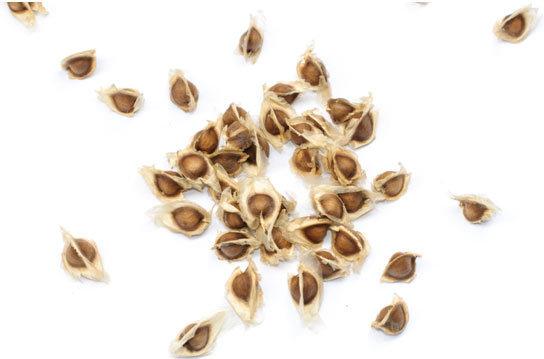
Moringa seeds are obtained from the pods of the moringa tree (Moringa Oleifera) or drumstick tree. Fresh and raw moringa seeds are quite tender, but as soon as they get dried, they become hard and start resembling small beans. The grayish-white seeds with unique wing-like structures can be steamed, boiled or roasted for various purposes. Here we will discuss the awesome health, skin and hair benefits of the wonderful moringa oleifera seeds.

Benefits of Moringa Seeds for Health:

1. Like many other herbs, moringa seeds also offer great antioxidant benefits. They contain lots of vitamin A, C, B complex and other free radical busters that save our body from severe oxidative damages. In other words, the antioxidant properties of the seeds can help us take care of our health on the whole.

2. Scientists have proved that moringa seeds can reduce the amount of oxidized lipids in our body and take care of our cardiac health by safeguarding the heart tissues from constructional damages.

3. The anti-carcinogenic effects of moringa seeds are also quite well-known. They can stop the growth and development of cancer cells by accelerating their death count. According to researchers, intake of moringa seed powder for 3 consecutive weeks can restrain colon cancer successfully.

4. Moringa seeds contain plenty of zinc, which are essential for regulating the secretion of insulin hormone. As the production of insulin becomes normal, the levels of sugar also remain normal in our bloodstream. Hence, the extract of these seeds can be used as an effective anti-diabetic agent.

5. The anti-inflammatory properties of moringa seeds can curb down inflammation, reduce soreness and perk up the function of our physical joints in case of severe bone disorders like arthritis.

6. Being an excellent source of vitamin A, moringa seeds can strengthen our immune system, repair our mucus membrane and take optimal care of our eyes by keeping the vision intact.

7. Protein is one of the most essential nutrients that we need for proper functioning of our body. Moringa seeds are loaded with protein and hence, we can easily fulfill our daily requirement of amino acids by including the seeds in the powdered form in our diet.

8. Moringa seeds contain oleic acid, a monosaturated fatty acid that is highly beneficial for our health. Being a healthy source of fat, it can easily replace the high saturated animal fats found in our food items. It works as a ‘good cholesterol’ and keeps our cholesterol levels down. Moreover, it can prevent blood clot and help us keep severe cardiovascular diseases at bay.

9. Vitamin C content present in moringa seeds makes them an amazing immunity booster. From eliminating harmful free radicals to developing protection against infectious agents, they can do everything successfully.

10. Not only vitamins, but these seeds are also rich in vital minerals such as zinc, calcium, iron, magnesium, copper, and so on. Each of these play a unique role in ensuring complete wellness for us. Iron reduces the risk of anemia; calcium keeps our teeth and bone strong, while zinc facilitates the process of production of sperms (spermatogenesis).

Benefits of Moringa Seeds for Skin:

11. Vitamin A present in moringa seeds is extremely helpful in maintaining the integrity of our skin. Being an effective antioxidant, they save our skin cells from the harmful effects of free radicals and keep them healthy. Vitamin A also promotes the collagen formation and enhances the firmness of our skin, so that we can fight against premature ageing (wrinkles, sagging, etc.).

12. The oil extracted from moringa seeds can be used as natural moisturizer. It nourishes our skin and makes it healthy as well as glowing.

13. Moringa seeds are widely used to make skin care products. The oil extracted from them can help us make our face free from acne, pimples, blackheads, black spots, etc. Consequently, we get clearer and brighter skin.

Benefits of Moringa Seeds for Hair:

14. The antioxidant properties of moringa seeds benefits our hair too, as they can keep our internal system healthy and take care of the overall health of our tresses. The antioxidant vitamin C can improve the circulation of blood throughout our scalp, which stimulates our hair follicles and helps them absorb more nutrients. As a result, our hair becomes nourished and strong.

15. Vitamin A and zinc present in moringa seeds are known to promote our hair growth considerably. Vitamin A takes care of our scalp and hair tissues by nourishing, repairing and maintaining them in a proper way, while zinc boosts our immune system and keeps the sebaceous glands on our scalp unclogged at the same time. Thus, both of these nutrients can accelerate the growth of our hair effectively.

(Source: http://www.stylecraze.com/articles/benefits-of-moringa-seeds-for-skin-hair-and-health/)

12 Reasons You Should Eat More Turmeric – Including Golden Milk Recipe to Treat Many Ailments


Turmeric is Anti-Aging, Anti-Oxidant, Anti-Inflammatory Super Spice. Turmeric is a member of the ginger family. Known as “The Queen of Spices”, it can be found in many Indian dishes for its wonderful pepper-like flavor and golden color. It has been around for centuries in Ayurvedic and Chinese medicine to treat a wide variety of health problems, going from pain control to fighting cancer.

Curcumin, the magical substance, which gives turmeric its golden color and its many health benefits, has been well-studied over the past decades. It works as a powerful antioxidant and has anti-inflammatory and antiseptic properties.

But that’s not all… turmeric is jam packed with healthy nutrients such as fibers, calcium, vitamins and minerals. It is non-toxic, even in high doses, and doesn’t usually cause any side-effects. However some people may experience an upset stomach, nausea or dizziness. If this is the case, turmeric must be used in moderation to reap its benefits.

The Amazing Health Benefits Of Turmeric In A Nutshell

•    Cancer prevention: turmeric fights free radicals and helps to maintain healthy cells. It is believed that curcumin blocks the enzymes that promote the growth of cancer cells. Turmeric is one of the top 14 foods that protects against cancer development.

•    Alzheimer’s prevention: turmeric improves the overall brain health and may prevent or slow down the progression of Alzheimer’s by removing amyloyd plaque buildup in the brain. These are types of proteins that play a role in various neuro-degenerative disorders. And indeed turmeric is one of the top 5 foods and supplements to delay Alzheimer’s  disease and dementia.

•    Diabetes control: turmeric improves blood sugar levels and reduces insulin resistance to prevent diabetes type II. However, when combined with strong medicines it may cause a low blood sugar level. See here another 6 best foods to control diabetes.

•    Natural painkiller and prevents arthritis: due to its anti-inflammatory and antioxidant properties it helps with stiff or creaky joints and arthritis. It is one of the natural remedies that are covered in the article about natural remedies for arthritis, and is also one of the foods that help to reduce inflammation in your body.

•    Wounds healer: a paste made from turmeric can quickly heal minor cuts, burns or bruises due to its anti-inflammatory and antiseptic properties. It helps to repair your skin and may even be used to treat psoriasis or other inflammatory skin conditions.

•    Improves digestion: stimulates the gallbladder, reduces bloating and gas and may be helpful to treat bowel inflammation. However when suffering from a gallbladder disease, turmeric should not be taken as a dietary supplement, as it may worsen the condition.

•    Liver detox: turmeric works as a natural liver cleanser and improves blood circulation.

•    Weight control: turmeric increases the bile flow, which is important to break down fat.

•    Promotes healthy skin: prevents skin pigmentation, tone the skin and when frequently used in your skin care products it can give your face the perfect glow. Turmeric is one of the top 10 foods to get the best skin ever.

•    Heart health: turmeric reduces the bad cholesterol, prevents blood clots and plaque build-up in arteries.

•    Boost Immune system: Its antibacterial, antiviral, and antifungal properties help to strengthen your immune system. Turmeric is wonderful to soothe a sore throat or fight a cold or flu.

•    Mood improver: turmeric has been used in alternative medicine to treat depressions and provides a better night’s rest.

Adding more turmeric to your daily diet is one of the best things you could do to improve your overall health. So if you love turmeric and are interested in herbal remedies, you can find more useful information about turmeric and other herbs in the e-book Herbal Remedies Guide. This guide will teach you how to treat common ailments using herbs.

I’ve been adding turmeric to many of my dishes to give it that nice saffron-like color and wonderful flavor. It works well in curries, stir fried dishes, smoothies, salads or dressings. The optimal dose for daily consumption is between ¼ and ½ teaspoon.

Although I’m not a huge fan of taking supplements, turmeric can be found in pill form at most health food stores if you don’t like the taste. However, like mentioned before, people with gallstones or bile obstruction should not take those supplements as they are very concentrated and too powerful. The same can be said for pregnant women.

Only recently I’ve discovered an ancient yogic remedy, called “Golden Milk”, traditionally used to cure diarrhea, fever, bronchitis, colds and non-specific viral infections, headaches, parasitic worms, leprosy, bladder and kidney infections, and to reverse joint and muscle pain due to inflammation or arthritis.

Golden Milk – The Recipe

Ingredients (for 1 serving)
•    1 cup milk of your choice (I use homemade almond milk) – see here healthy and easy homemade milk substitute recipes
•    ½ tsp. ground turmeric
•    ¼ tsp. freshly ground black pepper
•    1 tsp. raw honey (or to taste)
•    ½ tsp. pure extra virgin coconut oil (leave this out when you use coconut milk)
•    Optional: 1 crushed green cardamom pod (or ⅛ tsp. ground cardamom)
•    Optional: 1 small cinnamon stick (or ¼ tsp. ground cinnamon)

The pepper and oil will help your body to absorb the curcumin. Studies show that in combination with pepper, turmeric may be absorbed 1000 times better. Honey on the other hand has a great anti-viral and antibacterial properties, and I’ve added cardamom and cinnamon for extra flavor.

Directions

Heat the milk. Add the cardamom and cinnamon if you’re adding these. Add the turmeric, pepper, honey and coconut oil while stirring constantly. Heat the mixture until steaming but not boiling. Strain the cinnamon and cardamom and serve. Note that not all ingredients are soluble, so stir occasionally while drinking to avoid a strong turmeric flavor at the last sip.

Source: Amy Goodrich, yogi, health coach, and dedicated blogger who loves living a natural, eco-friendly and healthy lifestyle. Visit her website http://www.body-in-balance.org  and Facebook page https://www.facebook.com/bodyinbalance.org

Coconut Sugar: Who can benefit?


Coconut sugar is considered to be one of the best natural sweeteners. It is completely natural - coming straight from the flower buds of coconut trees and there is no added chemicals nor any additives whatsoever needed in making it. The coconut tree itself has little known "pests" and typically does not require pesticides and just grows naturally. It is in great abundance in tropical regions with the Philippines being the world's top producer.

Coconut Sugar has high mineral content. It is a rich source of potassium, magnesium, zinc and iron. In addition to this it contains Vitamin B1, B2, B3 and B6. When compared to brown sugar, Coconut Sugar has twice the iron, four times the magnesium and over 10 times the amount of zinc!

Several factors that make the coconut sugar a viable sugar substitute:

• Low Glycemic Index "35" and Low Glycemic Load
• Nutritional Values and Benefits from those nutrients
• Amino Acids
• Vitamin Content

Who can benefit from coconut sugar?
Coconut sugar has a low glycemic index and a low glycemic load. It is also all natural made from 100% coconut sap. No additives or any chemicals are needed in the manufacturing process. It is good for both diabetics and non-diabetics alike.

By helping to maintain lower blood sugar and insulin levels, a low-GI diet may be useful in preventing and treating a variety of the health problems. Here are some examples of how eating low on the glycemic index can help promote excellent health:

Diabetes - Substituting low-GI carbohydrates (like thick-cut oats, pasta, and legumes) for high-GI carbohydrates (like processed cereals, white bread, and potatoes) can help lower blood glucose levels in people with diabetes. This is why the GI has been an integral part of medical nutrition therapy for diabetes in Australia, New Zealand, Canada, and Europe for many years. A low-GI diet may also help prevent diabetes from ever developing in the first place. Harvard University researchers who tracked the eating habits of over 100,000 men and women found that people whose diets are low in fiber and high in refined and high-GI carbohydrates are more than twice as likely to develop type 2 diabetes, as are people who eat a fiber-rich diet with a low glycemic load.

Cancer -  Insulin is a cellular growth factor. Many studies have shown an association between high insulin levels and a variety of cancers including breast, colorectal, prostate, and pancreas. Other studies have shown links between diets high in sugar, refined carbohydrates, glycemic load, and cancer. This suggests that lifestyle changes like maintaining a healthy body weight, exercising, and eating a healthy low-GI diet may help protect against cancer at least partly by lowering insulin levels.

Cardiovascular disease - As with type 2 diabetes, researchers have found that a diet high in refined and high-GI carbohydrates may substantially raise the risk for heart disease. These foods increase blood insulin levels, which in turn contribute to a higher blood pressure, higher levels of blood fats (triglycerides), lower levels of HDL (good) cholesterol, and an increased tendency for dangerous clots to form and linger in the blood.

Hypoglycemia - People who have meal-related reactive hypoglycemia secrete too much insulin after eating. This causes the cells to remove so much sugar from the blood that they feel weak, shaky, irritable, headache, unable to concentrate, and very hungry with a few hours of eating. Choosing low-GI carbohydrates can help prevent this type of hypoglycemia because eating foods that promote a gradual rise in blood sugar and a lower insulin response reduces the likelihood that blood sugar levels will drop too low.

Obesity - Since low-GI foods are slowly digested, they provide a gradual and sustained rise in blood sugar. This keeps you feeling full and satisfied and delays the return of hunger between meals. Conversely, high-GI carbohydrates provide short bursts of energy that satisfy you in the short term but soon leave you hungry. Many of the fat-free and low-fat foods that have become popular over the last decade—such as bagels, processed cereals, rice cakes, crackers, snack chips, and cookies—tend to rank high on the glycemic index and may actually contribute to a pattern of overeating in some people.

Source: http://www.sugarcoconut.com/health-benefits.html

Moringa (Malunggay) Nutritional Facts


What is moringa? 
Moringa, also known as the Miracle Tree, is a multipurpose plant, as the leaves, pods, fruits, flowers, roots and bark of the tree can be utilized. It is also referred to as Drumstick Tree by the Britishers.  In the Philippines, they are referred to as malunggay or malungay.  Others refer to moringa ashorseradish tree, benzolive tree, kelor, marango, mlonge, moonga, nébéday, saijhan, sajna or Ben oil tree.  

What are the health benefits of moringa? 
Scientific research confirms that these humble leaves are a powerhouse of nutritional value. Gram for gram, moringa leaves contain: SEVEN times the vitamin C in oranges, FOUR times the Calcium in milk, FOUR times the vitamin A in carrots, TWO times the protein in milk and THREE times the Potassium in bananas.

There are many benefits of the moringa tree, but the health benefits are the most important. Research has shown that various parts of the moringa tree can be effective in a significant number of health concerns. Here’s a quick look at a few of them:

  Moringa is rich in Vitamin A. It contains four times more Vitamin A or beta-carotene than carrots. Hence, it is a weapon against blindness.

 It is also a rich source of Vitamin C many times more than oranges.

 Normally milk is said to be a rich source of calcium but the amount of calcium present in moringa leaves is way higher than in milk.

The moringa leaves are said to contain two times the protein present in milk.

 Bananas are a rich source of potassium. But moringa leaves contain several times more potassium than bananas.

  Along with potassium, zinc is also found in large quantities in moringa.

 If moringa leaves were to be eaten by one and all, the world will be free of anemia as it contains three times more iron than spinach.

With all the junk food eaten these days, many people face problems of high cholesterol. Moringa helps in balancing the cholesterol levels in the body.

 Essential Amino acids are also found in moringa.
  •    Moringa is also said to balance sugar levels, hence it is helpful in the fight against diabetes.
  •   The body's natural defense mechanism increases with the consumption of moringa in the daily diet pattern. Since it is an immunity-stimulant, it is prescribed for AIDS afflicted patients.
  • Moringa leaves can be consumed to stimulate metabolism.
  •   It is also said to have digestive powers.
  •  It is a nutrition booster and is known to promote a feeling of well-being in people.
  •   If you are looking for non-sugar based energy, then moringa leaves is the answer. Thus, it will also help in the weight loss process.
  •  The cell structure of the body is stimulated by the moringa leaves.
  •   It is especially useful for lactating mothers. The consumption of moringa has shown dramatic increase in the quantity of breast milk.
  •  It is also famous for its anti-bacterial properties.
  •  The paste of the moringa leaves is said to beautify the skin and is hence applied by women regularly.
  •   It protects the liver and kidneys.
  •   It can also be used as a water purifier.
Moringa contains more than 90 nutrients and 46 types of antioxidants. With all the health benefits of moringa, it can easily be termed as the most nutritious plant on the face of the earth. There are no side-effects of moringa tree leaves which have been proved till date. At the same time it can be consumed by small children and adults alike. Therefore, many people have started using it in porridge, pastas, breads, etc., to reap the everlasting health benefits of the extraordinary 'moringa'.According to Dr. Monica G. Marcu, researcher and clinical pharmacologist, Moringa is unique because, even in small amounts, it can supply daily a wide gamut of vital nutrients with few calories.

Vitamin and mineral content are just the beginning. Moringa has 18 amino acids, including the eight essentials – the ones your body can not survive without but can not manufacture on its own; they must be supplied through diet.
Moringa is as good a source of roughage as carrots but has quadruple the beta carotene content.  It also has plenty of omega-3 oils and chlorophyll, plus 45 compounds with antioxidant properties and 36 with anti-inflammatory properties.

To the average Joe, Moringa is a simple way to manage many health problems.  It can help reduce cholesterol and triglycerides, control blood sugar, and offer anti-aging and anti-inflammatory substances, many of which have anti-cancer properties.
Moringa is widely found in tropical and sub-tropical belts. It is a medicinal plant used in Central and South America, Mexico, Malaysia, Philippines, India, Sri Lanka and Africa.

A Review of the Medical Evidence for Its Nutritional, Therapeutic, and Prophylactic Properties. Part 1. Jed W. Fahey, Sc.D. Johns Hopkins School of Medicine, Department of Pharmacology and Molecular Sciences, Lewis B. and Dorothy Cullman Cancer Chemoprotection Center, 725 N. Wolfe Street, 406 WBSB, Baltimore, Maryland, USA 21205-2185.


Frequently Asked Questions (FAQ):

Why is moringa called the “Miracle Tree”?
Moringa leaves and pods when taken in regularly, will nourish the body with necessary vitamins and minerals. All parts of the moringa tree including leaves, pods, bark, seed, fruits and root has medicinal value. Hence, it was called the ‘Miracle Tree.’

Does moringa have anti-ageing properties?
Moringa is one of the richest sources of antioxidants, with high contents of vitamin A, vitamin C, vitamin E and bioflavonoid. Active oxygen radicals steal electrons from normal, healthy biological molecules. This electron theft by active oxygen oxidizes tissue and can cause disease. By supplying the body with these nutrients we can find an effective method to block the oxidation of healthy tissue by active oxygen, then we can attempt to delay the ageing process.

What are known side effects of moringa?
Dr. Lowell Fuglie, based in Senegal and considered as one of the experts about moringa says that to date there has not been any known negative side effect even in the daily consumption of moringa.

What are the antioxidants and anti-inflammatory compounds present in moringa?

Antioxidants:
Vitamin A, Vitamin C, Vitamin E, Vitamin K, Vitamin B (Choline), Vitamin B1 (Thiamin) , Vitamin B2 (Rivoflavin), Vitamin B3 (Niacin), Vitamin B6, Alanine, Alpha-Carotene, Arginine, Beta-Carotene, Beta-Sitosterol, Caffeoylquinic Acid, Campesterol, Carotenoids, Chlorophyll, Chromium, Delta 5- Avenasterol, Delta 7 Avenasterol, Glutathione, Histidine, Indole Acetic Acid, Indoleacetonitrile, Kaempferal, Leucine, Lutein, Methionine, Myristic-Acid, Palmitic Acid, Prolamine, Proline, Quercitin, Rutin, Selenium, Threonine, Tryptophan, Xanthins, Xanthopyll, Zeatin, Zeaxanthin, Zinc.

Anti- Inflammatory Compounds:
Vitamin A, Vitamin B1, Vitamin C, Vitamin E, Arginine, Beta-Sistosterol, Caffeoylquinic Acid, Calcium, Chlorophyll, Copper, Cystine, Omega 3, Omega 6, Omega 9, Fiber, Glutathione, Histidine, Indole Acetic Acid, Indoleacetonitrile, Isoleucine, Kaempferal, leucine, Magnesium, Oleic-Acid, Phenylalanine, Potassium, Quercitin, Rutin, Selenium, Stigmasterol, Sulfur, Tryptophan, Tyrosine, Zeatin, Zinc.

There are over 46 antioxidants and 36 anti-inflammatory compounds all naturally occurring in the moringa plant. That is why it is referred to as the best natural source of anti-oxidants.

What are the vitamins and minerals present in moringa?

VITAMINS:
Vitamin A (Alpha and Beta Carotene), B,B1, B2, B3, B5, B6, B12, C, D, E, K, Folate (Folic Acid), Biotin and much more.

MINERALS:
Calcium, Chloride, Chromium, Copper, Fluorine, Iron, Manganese, Magnesium, Molydenum, Phosphorus, Potassium, Sodium, Selenium, Sulfur, Zinc.

AMINO ACIDS:
Isoleucine, Leucine, Lysine, Methionine, Phenylalanine, Threonine, Tryptophan, Valine, Alanine, Arginine, Aspartic Acid, Cystine, Glutamine, Glycine, Histidine, Proline, Serine, Tyrosine.

OTHER NUTRIENTS:
Chlorophyll, Carotenoids, Cytokins, Flavonoids, Omega 3,6 9 oils, Plant Sterols, Polyphenols, Lutein, Xanthins, Rutin and many more.

How does moringa act as detoxifier?
Moringa seeds are well known for its use to purify dirty water. Moringa seeds when mixed with impure water will absorb all the impurities. In the similar process, moringa attracts the toxins from the blood and removes and excrete toxic build up.

How effective is moringa?
A lot of research has been done about moringa and has been part of the daily diet of people around the world because of it’s nutritional and medicinal properties. Moringa has saved millions of lives in poor countries where malnutrition is prevalent because of its high nutritive value. John Hopkins has released a scientific paper regarding some of the medicinal properties of moringa.
How is moringa better than other nutritional supplements available in the market?Most of the multivitamin and calcium supplements available in the market are made using synthetic ingredients. The human body absorbs very minimal nutrients supplied through the synthetic supplements. However, moringa leaves and pods are natural sources of calcium and multivitamins and their processing method also enhances the bioavailability of the nutrients.

Bioavailability of Whole Plant Minerals: Calcium - Up to 8.79 times more bioavailable; Chromium - Up to 25 times more bioavailable; Copper - 1.85 time more retained in the liver; Iron - 1.77 times more absorbed into blood; Magnesium - Up to 2.20 times more bioavailable;
Manganese - 1.63 times more retained in the liver; Molybdenum - 16.49 times more absorbed into blood; Selenium - Up to 17.60 times the antioxidant effect; Zinc - 6.46 times more absorbed into blood.


Health Benefits of Ampalaya (Bitter Gourd)


Posted on  by bongski

For generations, Ampalaya or Bitter Gourd (some calls it Bitter Melon) has been part of the traditional herbal medicines and has been attributed to alleviate or cure a wide variety of ailments, and the Philippine variety is found to be more potent.

Ampalaya (Bitter Melon) with a scientific name Momordica charantia, is a climbing vine and the tendrils of which grow up to 20 centimeters long. This herbal plant belongs to the family of Cucurbitaceae, and it is a tropical as well as a subtropical vine. It is commonly grown and cultivated throughout the Philippines although wild forms can be found and it is also abundant in many regions in Asia, East Africa, the Carribean and South America and comes in a variety of shape and sizes. Ampalaya leaves are heart-shaped, which are 5 to 10 centimeters in diameter. The fruits of the ampalaya vine are fleshy green with pointed ends at length. It can never be mistaken for any other variety because its ribbed and wrinkled surface had always been ampalaya’s distinct physical structure. The bitter taste of the ampalaya fruit had also been the distinguishing factor from the rest of the fruits with medicinal value, and this is due to the presence of a substance known as momorcidin.

Ampalaya contains a mixture of flavanoids and alkaloids make the Pancreas produce more insulin that controls the blood sugar in diabetics. Aside from Ampalaya’s medicinal value, it is good source of vitamins A, B and C, iron, folic acid, phosphorous and calcium. Ampalaya is also rich in antioxidants that protect the cells of the body from damage of free radicals (metabolic by-products, usually waste).

The effectively of Ampalaya as an herbal medicine has been tried and tested by many research clinics and laboratories worldwide. In the Philippines, the Department of Health has endorsed Ampalaya as an alternative medicine to help alleviate various ailments including diabetes, liver problems and even HIV. Aside from these, ampalaya also helps treat skin diseases and cough. Its herbal value extends to increasing the sterility of women, in parasiticide, antipyretic, and has purgative functions, as well. Note: In large dozes, pure Ampalaya juice can be a purgative and abortifacient.

Herbal Benefits of Ampalaya:
• Good for rheumatism and gout
• And diseases of the spleen and liver
• Aids in lowering blood sugar levels
• Helps in lowering blood pressure
• Relives headaches
• Disinfects and heals wounds & burns
• Can be used as a cough & fever remedy
• Treatment of intestinal worms, diarrhea
• Helps prevent some types of cancer
• Enhances immune system to fight infection
• For treatment of hemorrhoids
• Is an antioxidant and parasiticide
• Is antibacterial and antipyretic

Preparation & Use of Ampalaya:
• For coughs, fever, worms, diarrhea, diabetes, juice Ampalaya leaves and drink a spoonful daily.
• For other ailments, the fruit and leaves can both be juiced and taken orally.
• For headaches wounds, burns and skin diseases, apply warmed leaves to afflicted area.
• Powdered leaves, and the root decoction, may be used as stringent and applied to treat hemorrhoids.
• Internal parasites are proven to be expelled when the ampalaya juice, made from its leaves, is extracted. The ampalaya juice, and grounded seeds is to be taken one spoonful thrice a day, which also treats diarrhea, dysentery, and chronic colitis.

Coconut Sugar: It's the healthiest sugar


People are talking about it. People are scouting for reliable suppliers of this product. Because more people are now getting more concerned about their health and well-being. I’m referring to coconut sugar – a natural sweetener made of 100% all natural sweet watery sap from cut flower buds of fresh coconuts.

Coconut sugar can be used as a healthy substitute to other sugar or sweeteners. Coconut sugar is natural, unrefined and concentrated, hence loaded with nutrients, especially minerals.

The main advantages and differences of coconut sugar/syrup vis-à-vis cane sugar/syrup and other artificial sweeteners are as follows:

1. Coconut sugar/syrup has a lower Glycemic Index (35 to 42 GI) compared with cane sugar’s high Glycemic Index (68 to 80 GI). A high GI will cause spikes in blood sugar and will not be good for those who are pre-diabetic or diabetic or even for normal people without diabetes. Coconut sugar has almost half the GI of cane sugar.

Coconut sugar is a wonderful, nutrient-dense natural sweetener. According to the test results conducted by the research team of Dr. Trinidad P. Trinidad, Scientist II of the Food and Nutrition Research Institute of the Department of Science and Technology of the Philippines, the glycemic index of coconut sugar obtained from the sap of the coconut is 35 to 42.

The low glycemic index is good for the proper control and management of diabetes mellitus and has been shown to lower total and LDL cholesterol. It is reportedly good for weight maintenance and prevents overweight and obesity;

2. Coconut sugar/syrup has more vitamins, minerals, amino acid content compared with cane sugars (white sugar, brown sugar, muscovado, demarara, turbinado) and is nutritionally superior as compared with other types of commercial sugar/sweeteners, especially compared with artificial/synthetic sweeteners;

3. Coconut syrup/sugar contains inulin (FOS) and inositol (anti-cancer, anti-depression, anti-diabetic, etc.) but cane sugar and “other sweeteners” do not contain these two which are beneficial for health;

4. Coconut sugar/syrup is a whole food and is minimally processed, has no additives, no preservatives, no synthetic adulterants as compared with chemical-based and laboratory-made sweeteners; and

5. Coconut sugar/syrup is a sustainable product and helps protect the environment as compared with the production of other commercial sweeteners/sugars. Coconut sugar/syrup is the Single Most Sustainable Sweetener in the World according to the Food and Agriculture Organization (FAO) of the World Bank.

Excerpt from,
Healthiest sugar
Export Action Line
By NELLY FAVIS-VILLAFUERTE
July 9, 2011, 3:22am